
Master Small Business Bookkeeping Before It Masters You


Nobody starts a business dreaming about spreadsheets. You had a vision. A skill. A product people actually needed.
But somewhere between your first sale and your tenth invoice, the finances piled up, and suddenly the fun felt far away.
Here is the truth. Small business bookkeeping does not care how busy you are. Ignore it for a week and it is a minor inconvenience.
Ignore it for a month and it is a mess. Ignore it for a year and it is a real problem. The good news? It does not have to take over your life.
This guide is going to walk you through exactly what you need to know. What bookkeeping actually is, why it matters more than most people realize, and how to make it work without losing your mind.
So, What Is Bookkeeping Anyway?
Think of bookkeeping as the daily diary of your business finances. Every time money comes in or goes out, it gets written down. Sales, expenses, bills, payroll. All of it.
A lot of people wonder about bookkeeping vs accounting and whether they are the same thing. They are related, but not identical.
Bookkeeping is the day-to-day recording of what happens with your money.
Accounting is the bigger picture work of reviewing that data, making sense of it, and reporting on it. You need both, but bookkeeping is where it all starts.
No accurate records? No useful reports. It really is that simple.
Why Keeping Your Finances Organized Is Such a Big Deal
Here is something most business owners learn the hard way. Messy finances do not just cause stress. They cost real money.
When your books are messy, you may overspend without noticing, miss tax deductions, or scramble at tax time. None of that is fun, and all of it is avoidable.
Good bookkeeping for small business gives you:
A clear picture of your cash flow so you always know where you stand
A smoother tax season because your records are already sorted
Better odds of getting a loan since lenders want to see clean financial records
Peace of mind, which honestly might be the most valuable thing on this list
Simple Small Business Accounting Tips to Get You Started
You do not need a finance degree to manage your books well. You just need a few solid habits. Here are some small business accounting tips that actually work in the real world.
1. Keep Your Business and Personal Money Separate
This is the number one rule. Open a dedicated business bank account and use it only for business. Mixing personal and business spending is a messy mistake. It creates a real headache when tax time rolls around.
2. Track Every Single Expense
Yes, even the small ones. That ten-dollar parking fee counts. Use an app, a folder, or a spreadsheet to log everything as you go.
The IRS expects businesses to keep financial records for at least three years, so building this habit now saves a lot of scrambling later.
3. Pick a Bookkeeping Method and Stick to It
There are two main options: cash basis and accrual basis. Cash basis is simpler. You record income when you get paid and expenses when you pay them.
Accrual records things when they are earned or owed, even if the cash has not moved yet.
Most small businesses start with cash basis. If you are not sure which fits your situation, an accounting professional can help you figure it out.
4. Block Off Time Every Week or Month
Waiting until December to update your books from January is a nightmare. Treat your bookkeeping like any other business appointment.
Put it on your calendar and actually show up for it. Fifteen minutes a week is way better than eight hours of panic in April.
5. Use Software to Do the Heavy Lifting
Tools like QuickBooks, FreshBooks, and Wave connect directly to your bank accounts, categorize your transactions, and build reports for you automatically.
They cut down on manual work and catch errors you might miss. If you are still doing everything by hand, it is worth trying one of these.
Should You Handle Small Business Bookkeeping Yourself or Hire Help?
Handling your own books works great when you are just starting out and things are still pretty simple. But once your business picks up, it gets hard to keep up.
Suddenly you are spending hours on spreadsheets when you could be serving customers or growing your brand. That is usually the moment hiring a bookkeeper starts to make a lot of sense.
That is when it makes sense to bring in help. Here are your main options.
Work with a Certified Bookkeeper
A certified bookkeeper has completed professional training and passed industry exams. They know the software, they know the rules, and they know how to keep your records clean and accurate.
If you have been searching for a bookkeeper near me, or bookkeepers in my area, working with someone local helps. It gives you a personal, face-to-face relationship with someone who knows your market.
Try Freelance Bookkeeping
Freelance bookkeeping is a really popular option for small businesses that need expert help without the cost of a full-time hire.
You bring someone in on a part-time or as-needed basis. You get professional quality at a price that makes sense for where your business is right now.
Go Virtual
A virtual bookkeeper does everything a traditional one does, just remotely. They log in to your accounts through cloud software, keep your records updated, and send over reports whenever you need them.
It is flexible, convenient, and often more affordable than working with someone in person. Honestly, a lot of business owners prefer it that way.
Why So Many Business Owners Choose to Outsource Bookkeeping
More and more small business owners are choosing to outsource bookkeeping, and it is easy to see why. When you hand your books off to a professional, saving time is just the beginning.
You stop worrying about whether everything is entered correctly. And you stop dreading tax season.
Professionals also stay up to date on tax laws and compliance requirements so you do not have to. That kind of knowledge can save you from costly errors and missed deductions.
Think of it this way. You would not do your own electrical work just to save money. Bookkeeping is the same idea. Some things are worth paying a professional to get right.
When Bookkeeping and Accounting Work Together
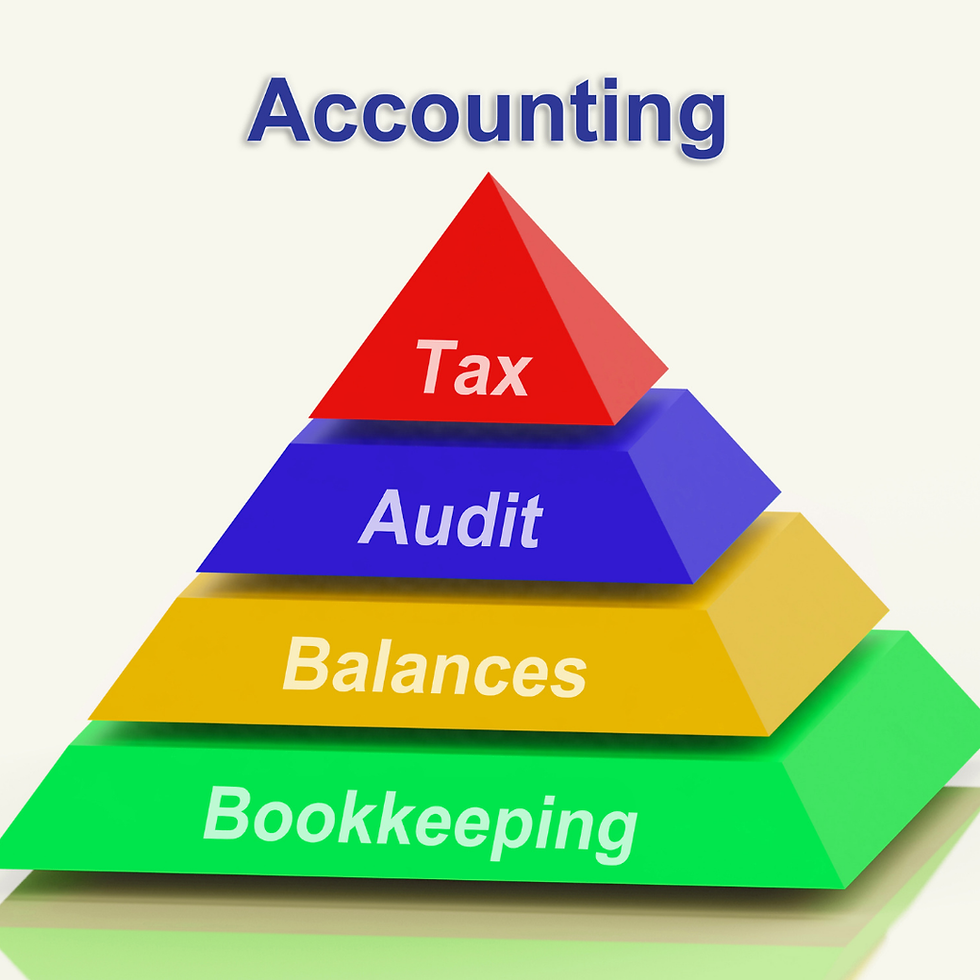
Once your daily records are in good shape, the real power kicks in. That is where accounting and bookkeeping start working as a team.
Your bookkeeping data feeds directly into reports like profit and loss statements, balance sheets, and cash flow summaries.
These reports tell you how your business is actually doing, not just how you hope it is doing.
Many small business owners work with a provider that offers accounting services for small business along with full bookkeeping support.
That mix also supports proactive tax planning, so you do not just react at tax time. You can make smarter moves all year.
Having it all in one place means less back and forth and a much cleaner financial picture overall.
Bookkeeping Mistakes That Are Way Too Easy to Make
Even well-meaning business owners slip up sometimes.
Watch out for these common ones:
Skipping receipts: Those small purchases add up fast. Save them all.
Mixing personal and business spending: This one causes more problems than almost anything else.
Letting entries pile up: The longer you wait, the harder it gets to catch up.
Putting expenses in the wrong category: Misclassifying costs throws off your reports and can cause tax issues.
Not reconciling monthly: Always compare your records against your bank statements to catch mistakes early.
Signs It Is Time to Call in a Professional
Not sure if you need help? Here are some signs that say yes:
You are spending several hours a week just on your books
Your revenue is growing and things are getting more complicated
You feel unsure about deductions or tax compliance
You have employees or contractors to pay and need to stay on top of payroll taxes
Your records feel disorganized and you are not sure where to even start
If any of those hit close to home, getting professional support is probably the smartest thing you can do right now. The cost of expert help is almost always less than the cost of getting it wrong.
You've Got This. Start Simple and Build From There.
Good bookkeeping is not about being perfect. It is about being consistent. When you track your money often, use real numbers to decide, and keep records tidy, your business is stronger.
Start with the basics. Open a separate account. Log your expenses. Set a weekly routine.
Then, when your business is ready for more, consider bringing in a professional to help you take things to the next level.
Whether you need occasional support or someone to fully take over your books, there is an option that fits your business and your budget.
Ready to Hand Off the Headache?
At Sparkz Business, we take the stress out of small business bookkeeping.
Our team of experienced professionals handles your books so you can stop worrying about numbers and get back to doing what you actually love.
Whether you are just getting started or ready to hand off a growing workload, we have a solution that works for you. Virtual support, full-service management, and everything in between.


Comments